
Insulation Contractor in Mill Valley - Warmer Rooms in Older Hillside Homes
Evergreen Petaluma Spray Foam Insulation is an insulation contractor working in Mill Valley on drafty attics, cold floors over crawl spaces and older walls, sealing the gaps first and then insulating.
- Licensed and fully insured.
- Free quotes on site.
- Expect a reply within 1 business day.
Insulating older homes in Mill Valley
Mill Valley, as we see it on jobs, is mostly older houses stepped up steep hillside streets, many of them added onto over the years, with a small downtown of shops and offices in the middle. We're based in Petaluma, and Mill Valley is about as far south as our crew usually runs, just past Larkspur and Corte Madera. On these streets, finding a spot for the truck is half the job.
Low attics, closet hatches and crawl spaces you reach from the garage all change how we get material in, so the house usually sets the plan. Price moves with how much old insulation has to come out, how easy each space is to reach and how much sealing it needs, and the schedule turns on that same access plus any permit the city wants. You get the figure for your own house at the estimate.
Insulation work we do in Mill Valley
Attic air sealing
Older attics here usually leak air around can lights, pipes and the hatch. Attic air sealing closes those gaps first, so new insulation isn't fighting a draft.
Insulation removal
In older houses, attic insulation is often flattened, stained or full of droppings. We remove it first so new material doesn't sit on the same problem.
Blown-in insulation
Once the gaps are sealed, many attics here just need loose fill blown in through a hose. We keep it even to the eaves without burying the vents.
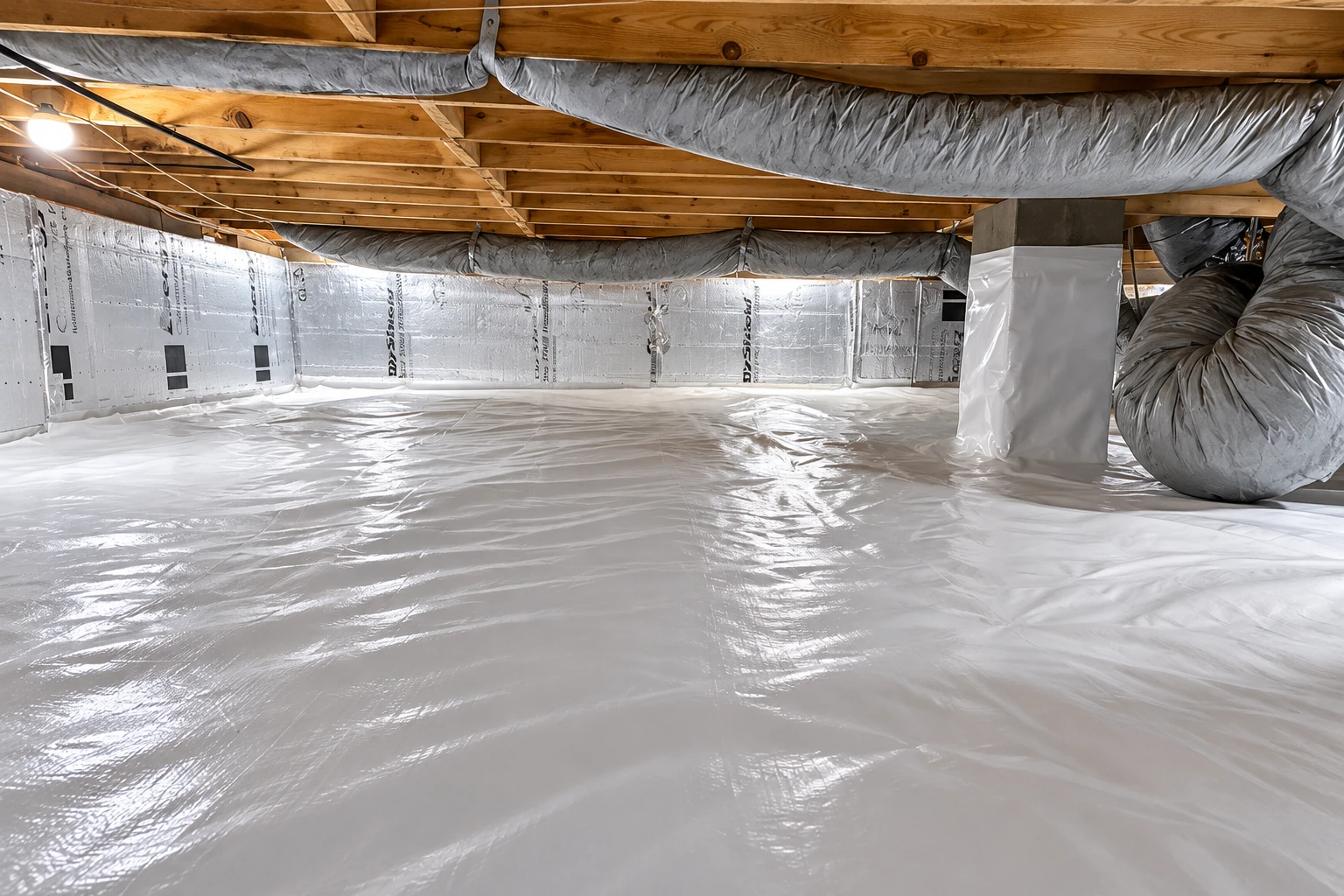
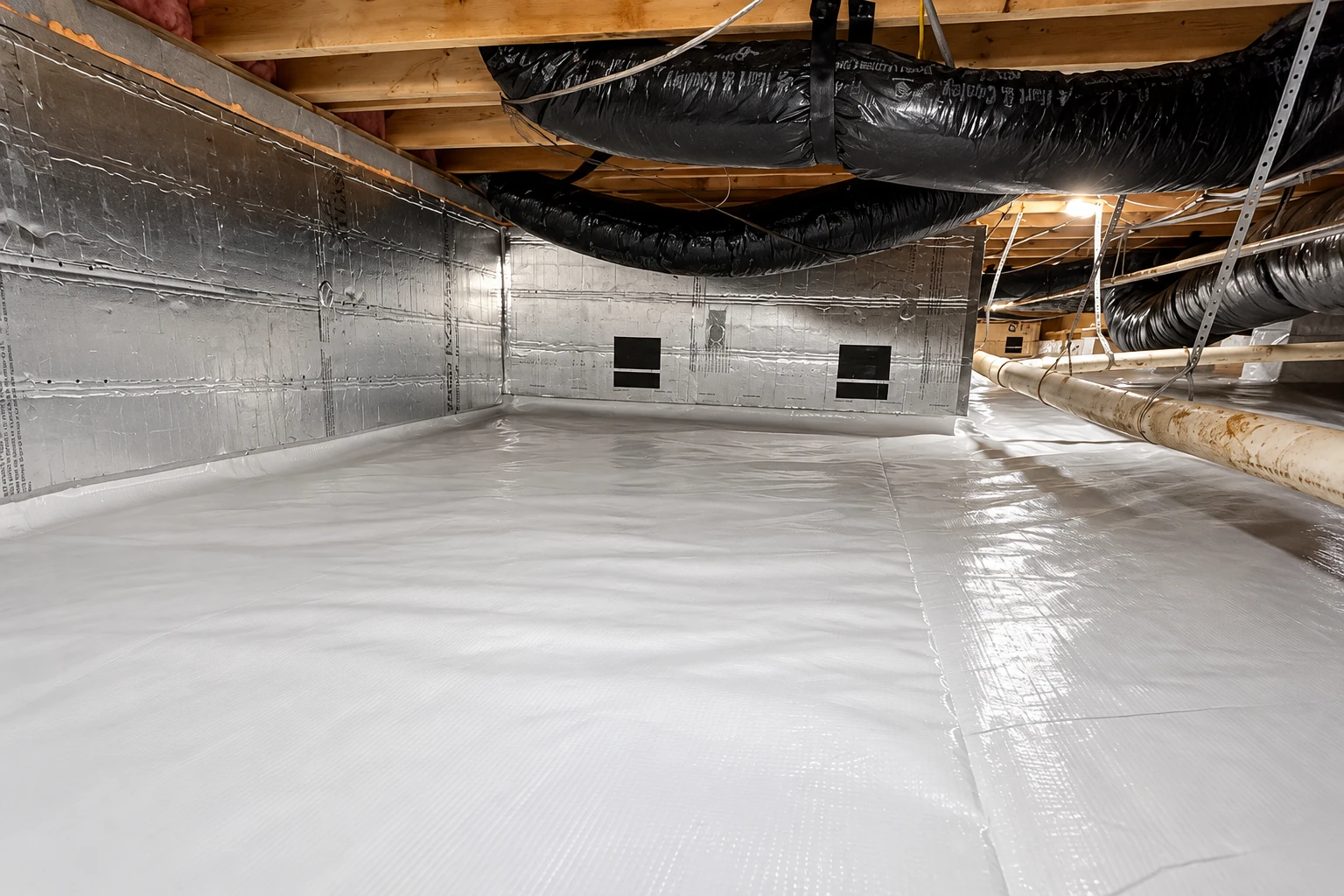
Crawl space insulation
On hillside lots, crawl spaces run tall at one end and tight at the other. We insulate under the cold floors from wherever our crew can safely reach.
Spray foam insulation
When a remodel put the ductwork in the attic, foam that seals and insulates at once usually earns its higher cost. Where it doesn't, I'll tell you so.
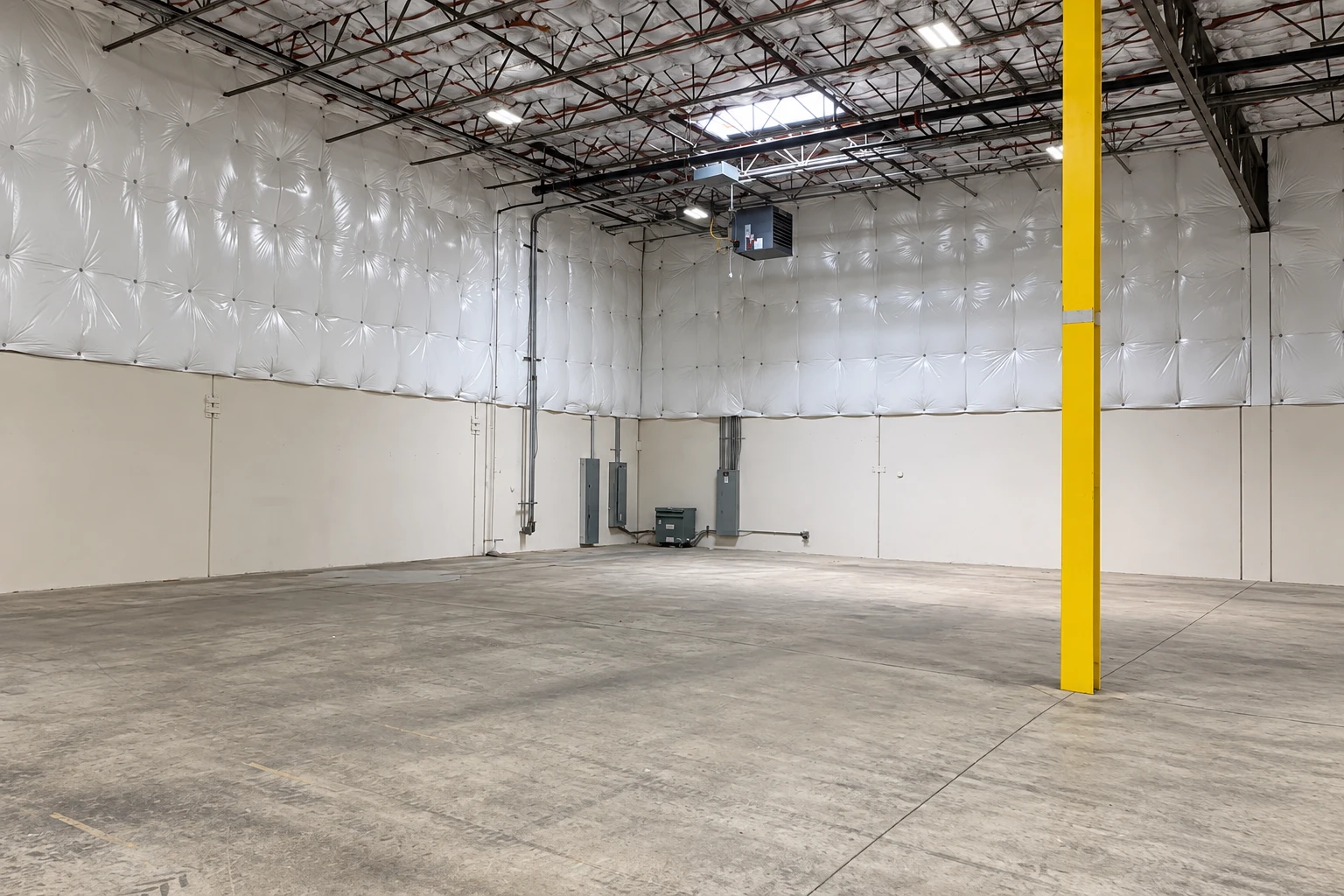
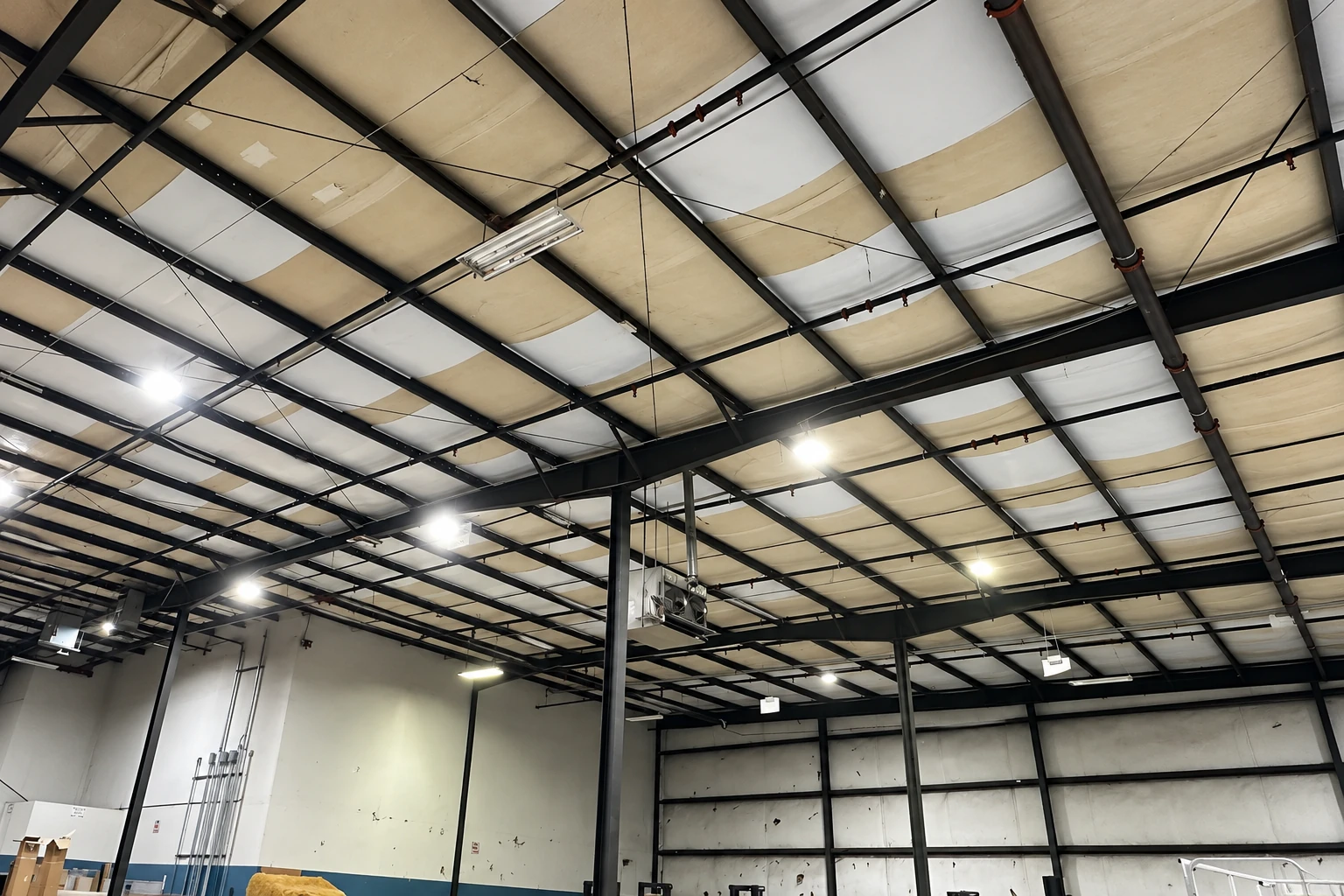
Commercial insulation
Shops and small offices here often carry insulation left by past tenants. Property managers call us for commercial insulation that sorts out what's up there before adding more.
What Mill Valley houses usually need
A lot of houses here have been added onto once or twice, and every addition tends to bring its own attic and its own crawl space, each insulated by whoever was working that year. My dad used to say an attic is a history book you read with a flashlight, because the layers tell you who was up there and when. So before we add anything, I look at every space and count the inches already up there, because a house built in pieces usually has one corner nobody ever insulated.
The city also has a mandatory earthquake retrofit program for certain residential buildings, and that kind of strengthening often happens down in the crawl space, right where floor insulation goes. If your house is on that list, it makes sense to let the structural work finish and insulate after, so nobody tears out new insulation to get at the framing. I'd rather wait than do the job twice.
Get a free look at your Mill Valley attic or crawl space
Send your Mill Valley address and what's bothering you through the form, or call (707) 238-6044, and we'll reply within one business day. I come out myself to look at the job and write a free estimate with no obligation. If you go ahead, our crew lead and installers do the work, and I check it with you at the end.
Mill Valley insulation questions
Here are the questions I hear about insulating Mill Valley houses, from permits to how long we're in your attic. If yours isn't here, call or send the form and ask.
Do I need a permit to insulate my attic in Mill Valley?
The city's Building Division decides that, because it issues permits, reviews plans and does inspections for work inside Mill Valley city limits. Its list of minor permits covers jobs like furnaces, water heaters, re-roofs and window replacements but doesn't name insulation, so we find out what the city wants for your job and handle the permit when one is needed. If there's any doubt, I ask the building office before we start.
Is my Mill Valley address inside city limits?
Not always, because homes in Strawberry, Tam Valley, Homestead, Almonte and Alto have Mill Valley addresses but sit in unincorporated Marin County, outside the city's jurisdiction. That matters because the city's permit office doesn't cover those homes. When I come out, I confirm which side of the line your house is on before we plan anything that needs a permit.
How much does attic insulation cost in Mill Valley?
There's no one price, because the cost turns on what's already in your attic and how hard it is to get at. The big moves are whether old or dirty insulation has to come out first, how much sealing the gaps need, how big the space is and whether we can park close enough to run a hose on a steep street. Foam costs more than loose fill, which is why I only suggest it when it earns its keep.
Does an insulation contractor need a Mill Valley business license?
Yes, the city requires a business license for any business activity inside city limits, and the application has to be approved before the work begins. A contractor also needs that license paid for the current fiscal year before it can apply for a permit through the city's online system, so it's a fair thing to ask anyone you're thinking of hiring.
How long does attic insulation take, and do we have to leave the house?
For blown-in or air sealing work you can usually stay home while we're up there, but with spray foam you'll stay out until the foam maker's re-entry time has passed, which is how long they say to wait before people and pets come back in. How long we're in the attic depends on its size, whether old material comes out first and how many gaps need sealing. I'll walk you through the timing when I come out.
What causes a hot or cold room over the garage, and how do I fix it?
It's usually thin insulation in the sloped ceilings and short side walls around that room, plus air coming up from the garage through gaps in the floor. We seal between the garage and the room first, then insulate the floor and those side walls, because insulation alone won't stop air from below. If the walls are closed up, I'll show you what we can reach and what would need opening.
Insulation work, up close
Other cities we work in
Pick a city from the list to see what we do there, or call us if yours isn't on it. These aren't the only places we go.